


spintime | Navigating the Intricacies of Strategy Games: A Deep Dive
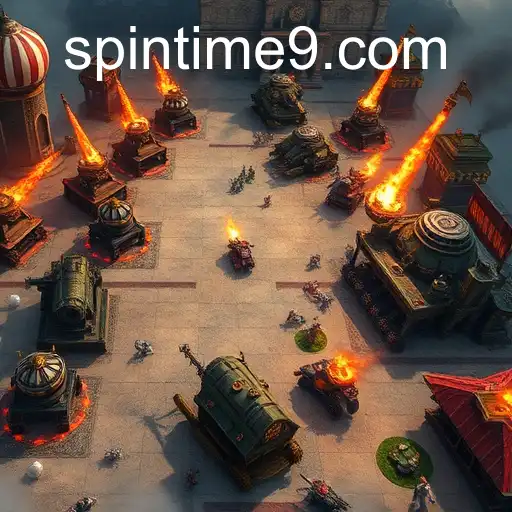
In the vast and ever-evolving world of gaming, strategy games have carved out an enduring niche that continues to captivate players of all ages. Known for their intricate gameplay mechanics and the intellectual challenge they provide, these games require a player to devise and execute long-term plans while managing finite resources to achieve victory.
Strategy games can be broadly classified into several categories, each with its unique gameplay features: real-time strategy (RTS), turn-based strategy (TBS), and grand strategy, to name a few. Popular titles such as 'StarCraft,' 'Civilization,' and 'Total War' series have defined their respective subgenres by offering deep, engaging gameplay that demands strategic foresight and tactical acumen.
One of the defining features of strategy games is their emphasis on critical thinking and decision-making. Players must anticipate opponents' moves, optimize resource management, and adapt to dynamically changing environments. This intellectual demand is one reason why strategy games have a dedicated and passionate fan base.
Real-time strategy games like 'StarCraft' put players under pressure, requiring quick thinking and fast reflexes to outmaneuver opponents. On the other hand, turn-based strategy games like 'Civilization' provide a more deliberative pace, allowing players ample time to consider their strategies and explore multiple approaches.
The advent of digital platforms has only expanded the horizon for strategy games, offering both single-player campaigns and multiplayer modes. Online leaderboards and competitive arenas add layers of complexity and heighten the stakes, pushing players to refine their strategies in response to diverse global play styles.
Moreover, the rise of indie developers has invigorated this genre, leading to innovative takes like 'Into the Breach' and 'Frostpunk,' which bring fresh narratives and mechanics to the fore. These games often explore novel themes, offering players unique storytelling methods interwoven with tactical gameplay.
The allure of strategy games is multifaceted. The blend of long-term planning, resource allocation, and dynamic problem-solving they offer is akin to navigating a complex puzzle, making them not just a form of entertainment but a means to develop skills like patience, critical thinking, and adaptability.
In conclusion, strategy games remain a pillar of the gaming industry, captivating millions with their depth and complexity. Whether you're a veteran strategist or a newcomer eager to test your tactical skills, there's always a new challenge waiting in the world of strategy games.
As the gaming landscape continues to evolve, one thing remains certain: strategy games will continue to push the boundaries of interactive entertainment and intellectual engagement, offering experiences rich with opportunities for players to outwit their opponents and emerge victorious in the digital battlefield.
